
How to Choose a Brand Activation Agency
Choosing a production partner is the highest-stakes decision in a brand activation. Whoever you appoint controls whether the concept gets built as designed, what it really ends up costing, and how safe it is in front of the public. Yet most selection decisions rest on the weakest evidence available: portfolios that don’t say who actually did the work, and quotes that sit thousands of pounds apart with nothing in the paperwork to explain why.
This article shows you how to make the decision properly. There are five things to check before you appoint a brand activation production partner, from who actually fabricates the work to what they’ll put in writing about your client relationship. Each check comes with the exact questions to ask, and the article ends with a ten-question list you can take into your next selection meeting.
It’s written for agency producers and client services leads choosing a partner on behalf of a client, and for in-house brand teams commissioning directly. One declaration of interest before we start: we build activations for a living, so we’re not neutral. But the checks work on anyone you’re considering, including us.
Direct Answer
Pick a production partner on proof, not photos. Before you appoint anyone, check five things: who actually builds the work, what kit they own, who will be on site with you, how they handle safety, and what they’ll put in writing about your client relationship.
AT A GLANCE
- Photos are the weakest evidence you’ll be shown. They don’t tell you who designed, built or staffed anything.
- Five checks tell you far more: the workshop, the kit, the people, the safety file, and what goes in writing.
- Each check is one question. How quickly and specifically someone answers tells you almost as much as the answer.
- Appoint before the creative is locked. A good builder makes the idea better while it can still move.
Why Do So Many Activation Partner Choices Go Wrong?
Mostly because of photos. Finished photography is how this industry sells itself, and photos hide who did what. One agency had the idea. A workshop nobody credits built it. A staffing company ran it on the day. Everyone shares the same picture. So when you shortlist on portfolios, you’re often admiring work the company in front of you didn’t do.
And when the pictures all look good, price decides. That’s where it bites. Quotes for the same brief can be thousands apart, and the gap is almost never greed. It’s what’s been left out. No contingency. No owned kit. No safety paperwork. A crew found the week before. You discover the missing pieces mid-build, which is the most expensive possible time to learn anything.
There’s an unfair part too, and it’s worth saying out loud. If the build goes wrong, the production company loses a project. You can lose the client, because the client never met them. They met you. That’s why this decision deserves more than a portfolio flick-through and a price comparison.

What a Portfolio Can't Tell You
Most advice on how to choose a brand activation agency starts with the portfolio. It’s the wrong place to start. A photo can’t tell you whether the kit was owned or hired in for the day, whether the build happened in their workshop or someone else’s, or what they were like at 2am when the site plan turned out to be wrong.
Those things decide how your project goes. And you can find them out. Just not from pictures.
Here’s a useful trick: when an agency praises a production partner, listen to what they actually praise.
MGN Events was an exceptional production partner. The team were flexible, detail-driven and completely aligned with the creative ambition. They made the seemingly impossible come to life effortlessly.
Southpaw, creative marketing agency
Notice there’s nothing in there about how the work looked. Southpaw owned the look. What they cared about was how we behaved when the job got hard. That’s the bit photos never show, and it’s the bit you’re really buying.
One more thing that trips people up: job titles in this market blur into each other. If you’re still untangling who does what, we’ve written about the event management company vs creative events agency split. For activations, the only line that matters is between companies that build things and companies that arrange for things to be built. Both can be fine. You just need to know which one you’re talking to.
What Should You Ask About Fabrication and Kit?
Start with a question hardly anyone asks: who builds this, and in whose building?
There are two honest answers. Some companies fabricate in-house. Some broker the build out to workshops they trust. Both can work. What you can’t accept is not knowing which one you’re getting, because the two behave very differently when something changes. And something always changes. The site survey contradicts the floor plan. The landlord cuts your overnight install from eight hours to four. The client moves the date.
A partner with their own workshop and their own kit can usually fix that sort of thing the same day. A brokered chain becomes three companies negotiating on your deadline. That’s the whole reason we run our own in-house event production team and keep a warehouse in Windsor. Not a brag. Owned kit is just what a plan B looks like in physical form.
Three questions to ask: Who fabricates this, and where? What do you own versus hire for this specific brief? And tell me about the last time a site surprise forced a rebuild. What did it cost the client?
Who Actually Turns Up: The Crew Model
Second question hardly anyone asks: who, by name, runs my job on site?
Good delivery mostly comes down to continuity. The person who priced the job should be connected to the people building it, and someone senior should own your project from the first quote to the last van leaving. The normal model in this industry is an employed core team topped up with trusted local crew, and there’s nothing wrong with that. What goes wrong is anonymity. A project manager you only meet after the contract. Crew who first see the drawings on load-in morning. Nobody on site allowed to make a decision without a phone call.
Continuity is also what clients are quietly buying when they come back. When one client asked us to run their pavilion at UKREiiF 2025, their events team described us as an extension of their own. Over three days and more than a dozen sessions, everything ran on time and nothing technical broke. We’d love to claim magic, but it’s simpler than that. It’s what a settled crew that’s done it before looks like. You can read more about how we work with clients and partners if it’s useful.
Questions to ask: Who is my named lead, and did they price this job? How much of the on-site team is employed rather than assembled for the day? Who can make a call on site without ringing head office?
You're not hiring a portfolio. You're hiring the people standing next to you when the floor plan turns out to be wrong. Ask who they are, by name, before you sign anything.
Neil Walker
Production Director, MGN Events
How Do You Judge Safety and Compliance?
Ask for the safety file from their last comparable activation, then watch what happens.
A partner who’s done real public-facing work will have risk assessments and method statements as standard, proper insurance, a process for signing off structures, weather plans for anything outdoors, and one named person who owns safety on your project. None of that is box-ticking. When your build is surrounded by thousands of members of the public, the safety file is the difference between a partner who has done this before and one who’s about to learn on your client’s brand.
It’s a money signal too. The cheapest quote on your desk is often cheap precisely because this layer is missing. If the file arrives within a day, complete and current, they’ve done this plenty of times. If they ask why you want it, that’s also an answer.
Will They Respect the Client Relationship?
If you’re agency-side, this is the check that matters most, because the risk isn’t about the build. It’s about your business. You’re introducing another company to your client. Every agency has the same two fears about that: they’ll embarrass us in the room, or they’ll try to work with the client directly afterwards.
So don’t rely on vibes. Ask directly. What rules of engagement will you agree to in writing? Who fronts what on site? Who gets the credit? What happens if my client rings you directly? A partner who’s worth appointing has thought about all of this long before you asked, and won’t flinch at putting it in a contract. Anyone who gets cagey about writing it down is telling you how they think about your client.
We’ll go through the whole working model, including what belongs in the agreement, in a companion piece on how agencies work with a production partner.
The Questions That Reveal a Builder
Here’s the whole thing in one list. Ten questions, one meeting. Put them to everyone on your shortlist, us included.
- Who fabricates this work, and in whose workshop?
- What do you own versus hire, for this brief specifically?
- Tell me about a build you had to change after a site surprise. What did it cost the client?
- Who is my named project lead, and did they price this job?
- How much of the on-site crew is employed rather than assembled for this job?
- Who can make decisions on site without a phone call?
- Can you send me the safety file from your last comparable activation?
- Who owns safety on my project, by name?
- What will you commit to in writing about my client relationship?
- What’s in your price that the cheaper quote has left out?
No single answer settles it. Listen for the pattern. People who build tend to answer fast, with specifics and the odd war story. People who arrange builds tend to answer slowly, with reassurance.
That’s really all this comes down to. Not a formal process, not a scoring matrix. One meeting, ten questions, and a bit of nerve to keep asking until the answers get specific. Check the workshop, the kit, the people, the paperwork and what they’ll promise about your client, and you’ll know more than any portfolio could ever tell you.
Put Us Through the Exam
If you’re shortlisting production partners for a brand activation, ask us all ten. Bring the concept, the site and the date. We’ll show you how we’d build it, who’d be standing next to you on the day, and what we’re happy to put in writing. And if we’re not the right fit for the job, we’ll tell you that too.
Call us on 01932 22 33 33 or email hello@mgnevents.co.uk.
How to choose a brand activation agency FAQs
How far ahead should we appoint a production partner?
Before the creative is locked, not after. Most activations take six to twelve weeks from appointment to live day, and a good builder improves the idea while it can still move. Appoint after the render is signed off and you've lost your cheapest chance to take risk out of the project.
Should we run a formal tender for activation production?
For a big programme, a structured comparison is worth the effort, as long as it tests the five checks and not just price and pictures. For a fast-turnaround activation, one focused conversation using the ten questions will tell you more than a long RFP, in about a tenth of the time.
What are the red flags in a production quote?
Missing contingency, vague crew descriptions, no named project lead, no mention of safety paperwork, and line items that look suspiciously thin next to the other quotes. A low price isn't a red flag on its own. An unexplained one is.
Can a production partner work alongside our existing creative agency?
Yes, and it's one of the most common set-ups in the market. The agency keeps the creative and the client relationship. The production partner builds, handles logistics and safety, and works to rules of engagement everyone agreed up front.
Written by MGN Events, a UK creative events agency specialising in corporate events and brand experiences.
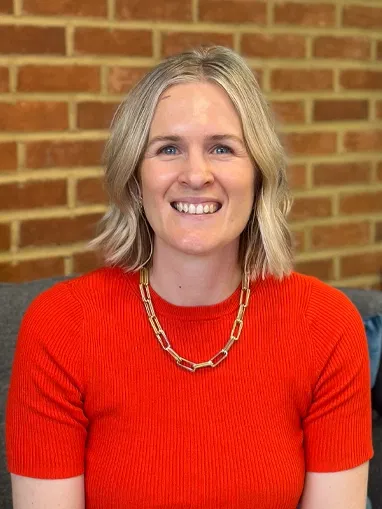
Clare Fagg,
Head of Live
Whether she’s guiding a project, mentoring the team, or giving a perfectly-timed nudge to keep things moving, she’s got it covered. Known for her straight-talking style and laser-sharp attention to detail, Clare always says what needs to be said – but somehow still makes you feel totally supported while doing it.


