10 Types of Corporate Events Every Business Should Know
Corporate events are no longer simply “moments in the calendar.” For organisations navigating hybrid workforces, cultural transformation, rapid growth, or ambitious brand strategies, the right event format can create alignment, inspire action and strengthen relationships across teams, customers and partners.
Understanding the different types of corporate events – and when to use them – is essential for leaders who want to communicate clearly, energise their people and deliver measurable business impact.
Effective corporate events play a strong role in supporting broader people and culture outcomes – a view reflected by bodies such as the Chartered Institute of Personnel and Development, which highlights employee engagement as a key driver of organisational performance and alignment.
This guide explores ten of the most widely used corporate events formats, what they achieve, and how senior stakeholders can select the right approach.
Drawing on insights from MGN Events’ work with global brands and UK-wide teams, it outlines how strategic planning and thoughtful experience design turn events into catalysts for performance, engagement and organisational clarity.
The Essentials
- Choosing the right event format matters – each type of corporate event supports different strategic, cultural and communication objectives.
- Effective event strategy starts with clarity: who the audience is, what they need, and the outcomes the business expects.
- Modern corporate events blend creativity, production expertise and seamless logistics to drive engagement, alignment and performance.
- A trusted event management partner ensures each format is designed, produced and delivered with precision, creativity and measurable impact.
- Organisations benefit most when corporate events form part of a cohesive annual events calendar, not isolated one-off moments.

1. Product Launches:
Making First Impressions Unforgettable
Product launches are high-stakes strategic moments that shape how employees, customers, partners and the media perceive a new product or service. When executed well, they build excitement, deliver clarity and accelerate momentum behind commercial and marketing goals.
The most effective launches are built on a clear story:
why the product exists, how it solves real customer needs, and what differentiates it in a crowded market. Modern formats often combine immersive environments, interactive product zones, content capture studios and multi-audience programming – allowing internal teams, clients and press to move through tailored experiences within a single event build.
These launches typically include hybrid or digital elements to maximise global reach and extend the impact well beyond the day itself.
For leaders, the value lies in creating a shared, compelling narrative that teams can confidently communicate. A well-designed launch translates product features into something people can feel, remember and champion – essential for internal alignment and external market success.

2. Brand Activations:
Bringing Brands to Life
Brand activations turn marketing strategy into tangible, memorable experiences. Where campaigns often engage people online, activations bring audiences face-to-face with a brand’s story, personality and purpose.
These events centre on participation and interaction. They may include creative installations, hands-on product interactions, digital integrations, sensory environments or pop-up experiences that surprise, delight and deepen emotional connection.
Activations can support new campaigns, repositioning work or major brand milestones, and they generate valuable earned media, user-generated content and social reach.
For brand, marketing and experience teams, the strength of a brand activation lies in its ability to humanise the brand – inviting people to step into the narrative rather than passively observe it.

3. Brand Festivals:
Immersive Celebrations of Company Culture
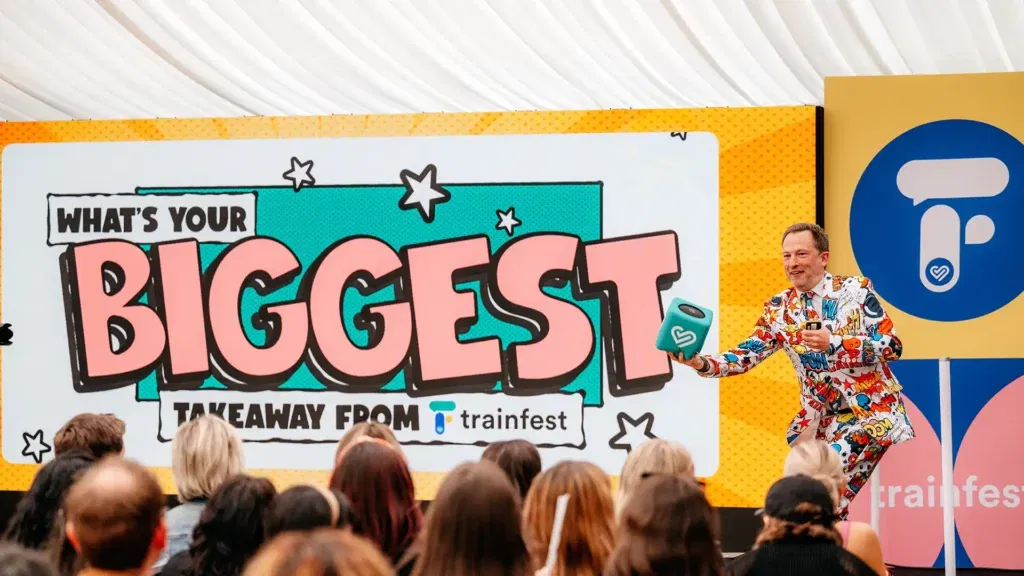
Brand festivals are large-scale internal events that combine conference content, entertainment, workshops and immersive brand storytelling. They are increasingly used by companies seeking to unite distributed teams, reinforce purpose and celebrate collective achievements.
These multi-layered events are designed to keep energy, curiosity and connection high across a full programme – moving teams seamlessly from strategic keynotes to hands-on sessions, wellness spaces, creative zones and celebratory moments.
Because they bring hundreds or even thousands of employees together, they require meticulous operational planning, robust production infrastructure and thoughtful audience experience design.
The impact of a brand festival is cultural as much as operational. When done well, employees leave with renewed pride, deeper cross-team relationships and a clearer understanding of the organisation’s future direction.
You can download our ‘Ultimate Guide To Brand Festivals’ here.

4. Summer Parties:
Celebrating Teams and Success
A summer party may appear informal, but within high-performing organisations it plays a critical strategic role. These corporate events reinforce a sense of belonging, strengthen informal networks and give teams space to celebrate success outside the pressures of day-to-day work.
A modern corporate summer party is creative, polished and inclusive. Theming and design set the tone – whether relaxed and elegant, bold and immersive, or playfully unexpected. High-quality food, entertainment and social spaces encourage natural connection, while thoughtful layouts and experiential details ensure the event feels curated rather than improvised.
For HR and internal comms teams, summer parties are an opportunity to recognise hard work, boost morale and create shared stories that positively influence culture throughout the year.

5. Conferences:
Inspiring and Aligning Teams
Conferences remain one of the most powerful tools for organisational alignment. They bring people together to share strategic direction, unpack complex ideas, and build momentum behind future plans.
Today’s corporate conferences are far more dynamic than traditional lecture-style events. Leaders increasingly favour formats that blend short, impactful keynotes with facilitated discussions, interactive sessions, real-time polling, content capture and hybrid streaming for remote participants.
Production quality is critical – professional AV, lighting, staging and scenography ensure messages land with clarity and emotional resonance.
A well-designed conference builds shared understanding, strengthens leadership credibility and empowers employees to act on what they’ve learned.
We discuss company conferences in our ‘Ultimate Guide to All-Company Offsites’ – download your free copy here.

6. End-of-Year Events:
Recognition and Reflection
End-of-year and Christmas events hold significant cultural power. These gatherings bring teams together at a natural moment of reflection, allowing organisations to mark achievements, acknowledge challenges and celebrate collective progress.
Modern end-of-year events go far beyond a festive celebration. They are strategic recognition moments that improve morale, strengthen trust in leadership and contribute to retention.
Companies increasingly blend entertainment with storytelling elements – highlight reels, milestone moments, peer recognition, and future-focused messaging. The design of the environment, programme flow and creative elements reinforces the organisation’s personality and values.
For HR teams, these events offer a way to close the year on a high note and reinforce a culture of appreciation and optimism.
Get your free copy of our ‘Ultimate Guide to Strategic End-Of-Year Events’ here.

7. Sales Kick-Offs:
Motivating Teams for Success
A Sales Kick-Off (SKO) is one of the most important events in the commercial calendar. It sets the tone for the year ahead, aligns teams on targets and equips people with the confidence, clarity and motivation to perform.
A high-impact SKO is never just a sequence of presentations. It’s a structured journey that blends leadership visibility, skills sessions, recognition moments, collaborative workshops and energising experiences that reinforce team spirit. Narrative design is essential – connecting the previous year’s performance with the organisation’s strategic ambitions for the year ahead.
For commercial leaders, a well-crafted SKO brings teams together behind a shared story, strengthens belief in the strategy and ensures everyone leaves equipped to deliver results.

8. Company Offsites:
Fresh Thinking in New Spaces
Offsites give teams the space – physically and mentally – to think differently. By stepping away from the everyday routine, teams can reset, reconnect and engage more meaningfully with organisational priorities.
A modern company offsite is a thoughtfully balanced mix of structured content and informal connection. Leaders often use offsites to explore strategic questions, encourage cross-functional collaboration, or rebuild trust after periods of rapid change.
Venue selection, logistics, accessibility, agenda design and experience flow all play a critical role in creating an environment where people feel focused, safe and energised.
In hybrid organisations, offsites have become essential moments for cohesion. When planned with care, these corporate events act as powerful accelerators of collaboration, culture and problem solving.
Download your copy of the ‘Ultimate Guide to All-Company Offsites’, here

9. Family Fun Days:
Celebrating People Beyond the Workplace
Family fun days demonstrate a company’s commitment to recognising the people behind the work – not only employees, but the families who support them. These events build loyalty, pride and goodwill, especially in industries where work can be demanding.
Designing an inclusive corporate family fun day requires careful consideration of activities, safety, accessibility and age-appropriate experiences. Creative zones, outdoor games, entertainers and food villages create a warm, communal atmosphere, while clear operational planning ensures the day runs smoothly and safely.
These events are tangible expressions of organisational values. They strengthen connection, support community-building and show employees that their wellbeing genuinely matters.

10. International Events:
Taking Brands Global
International events extend a company’s story across borders – whether through global conferences, multi-city roadshows, international product launches or reward experiences.
Delivering an international event requires deep logistical expertise: venue liaison, time-zone management, supplier coordination, travel arrangements, customs considerations, risk planning and cultural sensitivity. Organisations often integrate hybrid components to include teams who cannot travel or to amplify reach across regions.
When delivered with precision, international corporate events strengthen global consistency, deepen brand presence in new markets and bring international teams together behind shared priorities.
Planning an International event? Download a free copy of our ‘Ultimate Guide to All-Company Offsites’ here.

Conclusion: The Power of Choosing the Right Event at the Right Time
Every format in this guide serves a distinct purpose. The most effective corporate events are those designed around clear objectives, tailored to the audience and delivered with creative and operational excellence.
For leaders responsible for culture, communication, engagement and brand strategy, understanding these event types provides a stronger foundation for planning an annual events calendar that genuinely moves the organisation forward.
Corporate events management is ultimately about aligning people behind a shared story. With the right mix of formats – supported by the right expertise – organisations can inform, engage, motivate and unite their teams in meaningful, lasting ways.
Talk to Us
If you’re exploring your corporate events strategy or planning your annual events calendar, our team is here to help you navigate options and design brand experiences that deliver real impact.
Call: 01932 22 33 33
Learn more on our brand experiences page, or explore strategic insight in our guide to corporate event management.
Corporate Events FAQs
How do we decide which type of corporate event is right for our objectives?
Start with clarity. Identify the outcome you need - alignment, engagement, recognition, training, brand visibility or cultural connection - then choose the format that naturally reinforces it. A strategic event partner can help map objectives to the right event type.
How far in advance should we plan major corporate events?
Large conferences, brand festivals, product launches and international events typically require 6–12 months of planning.
Smaller internal events, team offsites or family fun days may need 3–6 months depending on complexity, seasonality and venue availability.
Can we combine multiple event types into a single experience?
Yes. Many organisations blend formats - for example, combining a conference with an awards dinner, or a product launch with a press and influencer activation.
The key is a coherent narrative and a programme that manages energy, flow and audience needs.
What should we look for in an event management partner?
Look for a partner with strategic insight, creative capability, production expertise and strong operational processes. They should understand your organisational culture, stakeholders and communication goals - and demonstrate the ability to translate objectives into a cohesive experience.
How do we measure the impact of corporate events?
Measurement varies by event type, but leaders typically track engagement, sentiment, participation levels, behavioural indicators, content reach, post-event actions, and alignment to business outcomes. Defining success metrics early ensures the event is designed to deliver them.
About MGN Events
MGN Events is a leading UK corporate event and brand experience agency with more than a decade of experience designing and delivering conferences, product launches, brand activations, festivals, SKOs, offsites and international events for global brands, large UK organisations and high-growth companies.
Our multidisciplinary teams combine strategic insight, creative expertise and end-to-end production to deliver events that inspire, align and engage.

Clare Fagg,
Head of Live
Whether she’s guiding a project, mentoring the team, or giving a perfectly-timed nudge to keep things moving, she’s got it covered. Known for her straight-talking style and laser-sharp attention to detail, Clare always says what needs to be said – but somehow still makes you feel totally supported while doing it.